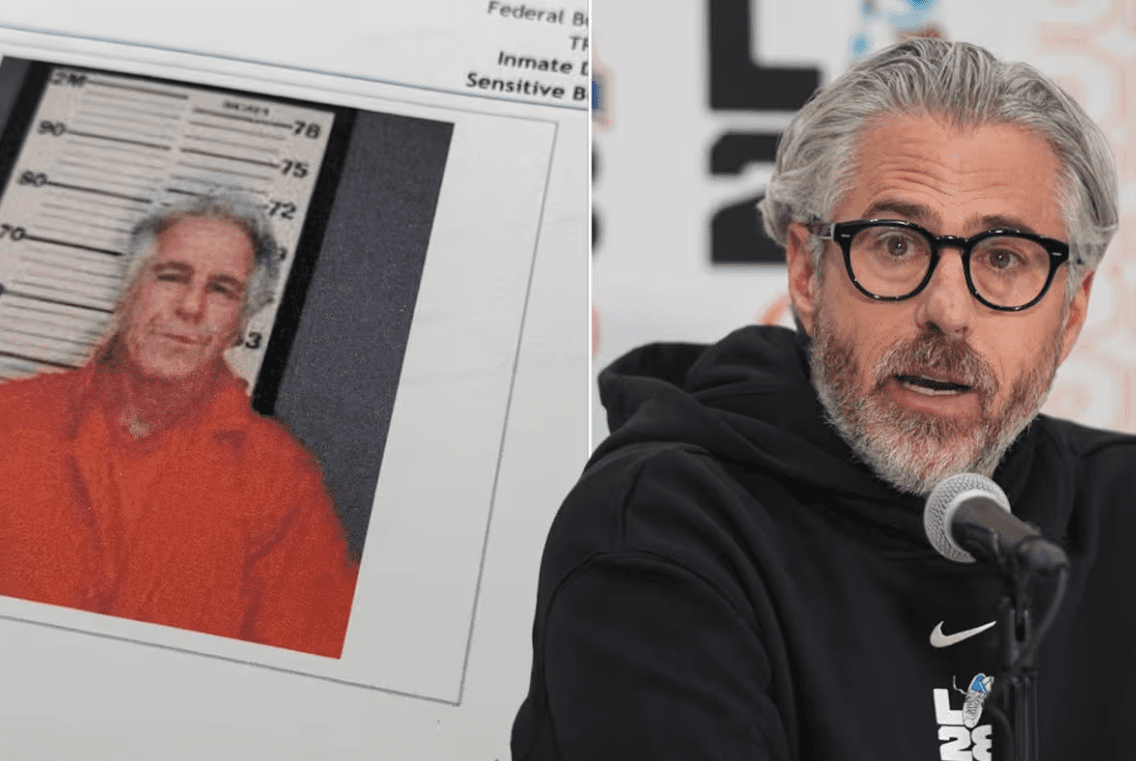
The global music industry is facing one of its most turbulent moments in recent memory as Wasserman Music removes its artist roster from public view amid mounting backlash surrounding its founder and CEO, Casey Wasserman. The move follows a growing wave of artist departures, public statements, and internal unrest tied to revelations connected to the Jeffrey Epstein files.
What began as a reputational crisis has rapidly evolved into a structural reckoning for one of the most powerful talent agencies in the world.
Wasserman Music Artist Roster Disappears
Visitors to the Wasserman Music website recently noticed a major change. The Artist Roster section, previously listing hundreds of acts across electronic, pop, rock, and alternative music, is no longer accessible.
While the agency has not issued a formal statement addressing the removal, the timing aligns directly with an escalating exodus of artists who have chosen to sever ties with the company. Industry observers widely view the move as a response to intensifying pressure rather than a routine website update.
The absence of the roster sends a powerful signal. It reflects not only the scale of artist departures but also the depth of the reputational damage currently facing the organization.
Why the Backlash Escalated So Quickly
The controversy stems from documents released by the United States Department of Justice earlier this year. The files included historical email exchanges between Casey Wasserman and Ghislaine Maxwell, dating back to the early 2000s.
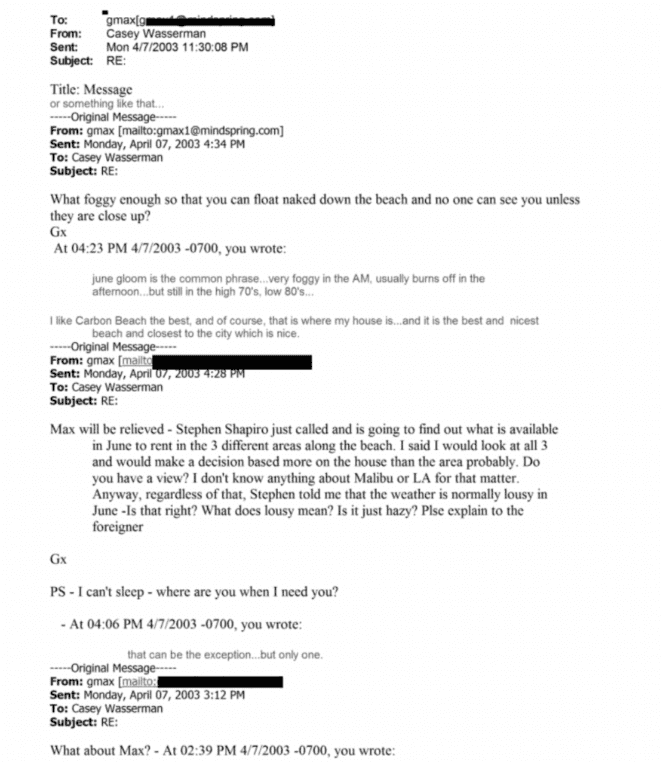
Maxwell, a close associate of Epstein, is currently serving a 20-year prison sentence on child sex trafficking charges. Although the communications predate the crimes for which Maxwell was convicted, their public disclosure sparked widespread outrage and renewed scrutiny across the entertainment industry.
In the days following the release, Wasserman issued a public apology, stating that he deeply regretted the exchanges and emphasizing that they occurred long before Maxwell’s crimes became known. He also denied having any personal or professional relationship with Epstein.
Despite the apology, many artists felt the response fell short.
Artists Speak Out and Cut Ties
As the story gained momentum, artists began responding publicly. Several high-profile acts confirmed they were no longer willing to remain associated with the agency.
Electronic music figures including Above & Beyond, Lane 8, and Subtronics were among those who distanced themselves from Wasserman Music. Others followed swiftly, creating a domino effect that rippled through the industry.
Perhaps the most widely shared response came from John Summit, who stated publicly that he would not remain with the agency unless leadership changes were made. His comments echoed a growing sentiment among artists who felt that accountability must extend beyond words.
The message was clear. Silence was no longer acceptable.
Casey Wasserman Moves to Sell the Agency
Amid growing unrest, Casey Wasserman informed staff that he had begun the process of selling the company. In an internal memo, he acknowledged that his continued leadership had become a distraction and expressed regret for the impact the situation had on employees, clients, and partners.
The decision marked a significant turning point. Wasserman Group is not just another agency. It is a dominant force in sports, entertainment, brand marketing, and live events, with global reach and deep industry influence.
Selling the agency represents both an attempt to stabilize the business and a recognition that trust, once fractured at this scale, is difficult to repair under the same leadership.
What the Roster Removal Really Signals
The removal of the artist roster may appear symbolic, but its implications are substantial.
First, it acknowledges the scale of departures. Maintaining a public roster while artists continue to exit could expose the agency to reputational and legal risks. Second, it signals internal restructuring, possibly ahead of ownership changes. Finally, it reflects a broader shift in how artists wield collective influence.
This is not just about contracts. It is about values, accountability, and the power dynamics between talent and representation.
Industry at a Crossroads
The unfolding situation has reignited conversations about ethics, leadership, and responsibility within the music business. Artists today are more vocal, more connected, and more willing to act collectively than ever before.
What makes this moment particularly significant is its scope. This is not an isolated controversy affecting a single genre or scene. It spans electronic music, pop, indie, and beyond.
The fact that artists are willing to walk away from one of the most powerful agencies in the world underscores a fundamental shift. Reputation matters. Leadership matters. And silence carries consequences.
What Comes Next for Wasserman Music
As the sale process moves forward, questions remain unanswered. Will the agency rebrand? Will new leadership be enough to restore confidence? And how many more artists will depart before a resolution is reached?
For now, the removal of the Wasserman Music artist roster stands as a visible marker of a deeper transformation underway. One driven not by press releases, but by collective action from the very artists who fuel the industry.
A Defining Moment for Music Representation
This moment will likely be studied for years to come. It represents a rare instance where artists across genres have aligned to demand accountability from the structures that represent them.
Regardless of the outcome, the message has been delivered with clarity. The music industry is changing, and power is no longer as centralized as it once was.