
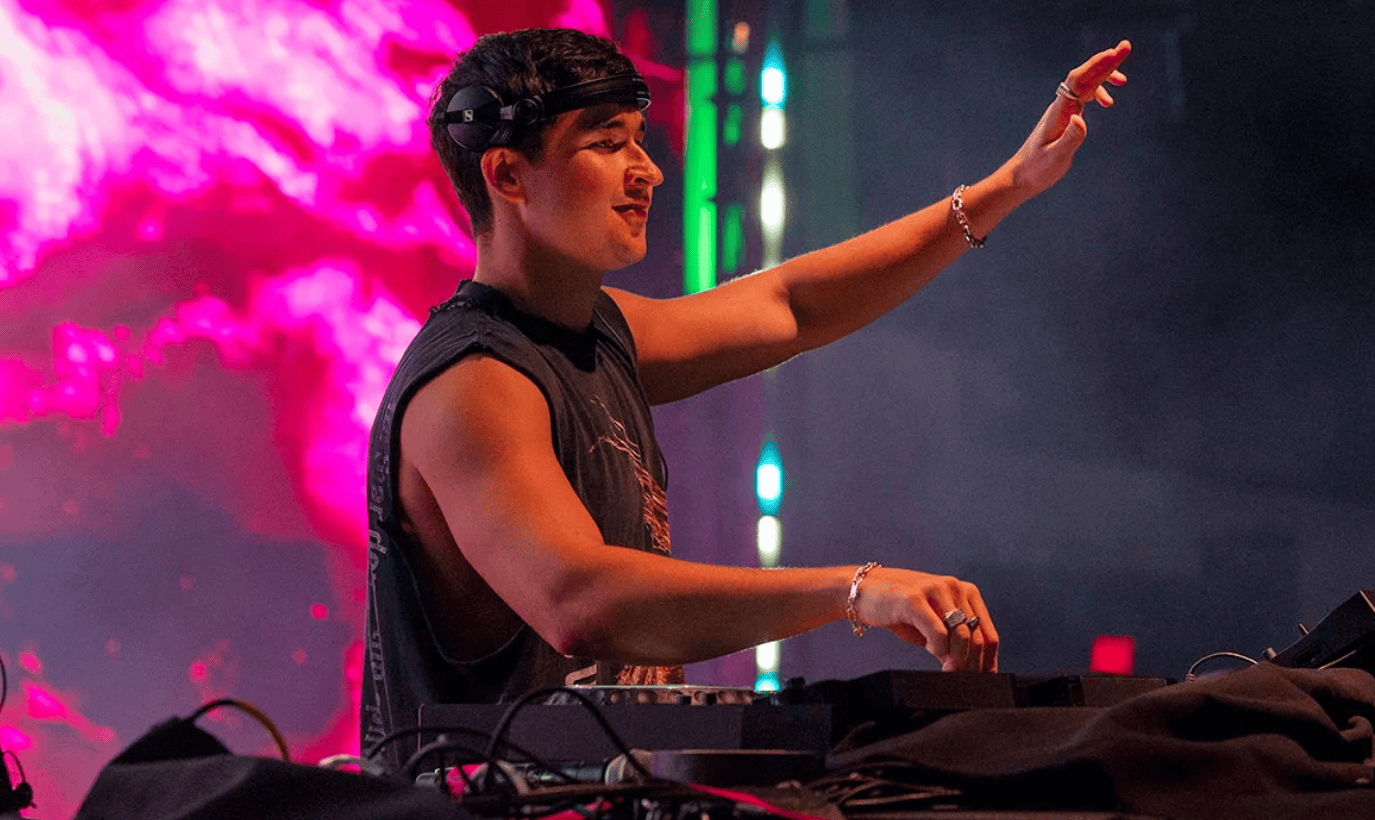
John Summit has publicly declared that he will no longer submit his music to the Grammy Awards, reigniting the debate over how the Recording Academy recognizes electronic dance music. Following the announcement of the 2027 Grammy nominations, the American DJ and producer took to social media to criticize the dance categories, questioning whether they genuinely represent the artists and sounds driving today’s global electronic music scene.
John Summit Criticizes the Grammys Over Dance Music Nominations
The controversy began shortly after the Recording Academy announced its nominations for the 2027 Grammy Awards on November 16. Summit wasted little time sharing his reaction on X, formerly Twitter, making his frustration with the awards process unmistakably clear.
In his post, the DJ announced that he would never submit music to the Grammys again unless significant changes were made. He also stressed that his criticism was not simply about his own recognition or the absence of his releases from the nominations.
Instead, Summit directed attention toward what he sees as a broader lack of appreciation for authentic electronic dance music and the DJs who shape the genre.
According to the producer, the current dance categories have become increasingly influenced by mainstream pop acts and the wider music industry. His comments quickly attracted attention from electronic music fans, producers, and industry observers, many of whom joined the discussion about the relationship between underground dance culture and mainstream recognition.
Why John Summit Is Frustrated With the 2027 Grammy Nominations
Summit’s criticism comes at a time when electronic music continues to enjoy significant international popularity. From underground club productions to massive festival performances and arena tours, dance music has established itself as a major force in contemporary music culture.
However, the 2027 Grammy nominations have once again raised questions about how the Recording Academy defines and celebrates electronic music.
A Strong Pop Presence Across the Dance Categories
This year’s nominations feature several established names from the pop and electronic music worlds.
The Best Dance/Electronic Recording category includes Fred again.., Madonna, Slayyyter, Tame Impala, Tinashe, and Underscores. Meanwhile, the Best Dance/Electronic Album category features Madonna, Robyn, Skrillex, Slayyyter, and Tame Impala.
The Best Dance Pop Recording category also includes a prominent lineup, with Zara Larsson, Madonna, Raye, Slayyyter, and Tinashe receiving nominations.
The selection highlights the increasingly blurred boundaries between electronic production, pop songwriting, and mainstream commercial music.
While crossover releases have helped bring dance-inspired sounds to wider audiences, Summit’s comments point to a different question: are artists whose work is primarily rooted in club culture receiving enough recognition within the industry’s most visible awards platform?
For many electronic music enthusiasts, the distinction matters. DJ culture encompasses much more than commercially successful singles. It includes underground movements, club-focused productions, long-form DJ performances, independent labels, and communities that have helped shape electronic music over several decades.
John Summit’s Reaction Goes Viral on Social Media
Summit’s comments quickly gained traction on X, reportedly surpassing 3.9 million views as the discussion spread across the electronic music community.
As reactions continued to arrive, the producer returned to the platform with a more humorous follow-up. Acknowledging the volume of criticism directed at him, Summit joked that he was getting attacked heavily and suggested it was time to log off.
He then shifted the conversation back toward his ongoing sold-out arena tour, emphasizing his connection with the fans supporting him on the road.
The response offered a reminder that industry recognition is only one measure of an artist’s success. For touring DJs, the relationship with audiences, ticket demand, festival appearances, and the ability to build a lasting musical identity remain equally important parts of their careers.
Nevertheless, the scale of the reaction demonstrates how strongly Grammy representation resonates with electronic music fans.
Cloonee Also Questions the Grammys’ Dance Music Selections
John Summit was not the only electronic music artist to express disappointment following the nominations.
British DJ and producer Cloonee also shared his reaction on X, questioning the absence of ANOTR’s track ‘Talk To You’ from the 2027 Grammy nominations.
Describing the omission as difficult to understand, Cloonee highlighted a record that had become one of the year’s prominent club releases.
His comments added another perspective to the growing discussion. While Summit questioned the overall direction of the dance categories, Cloonee pointed toward a specific release that he believed deserved greater recognition.
Together, their reactions reflect a wider conversation about the relationship between club success, artistic influence, and recognition from major music institutions.
A track’s popularity within DJ sets and dance floors does not necessarily translate into mainstream award nominations. However, for artists and listeners closely connected to club culture, those records can represent some of the year’s most important musical moments.
The Bigger Question: Do the Grammys Properly Represent Electronic Music?
The debate surrounding the 2027 nominations touches on a longstanding challenge for electronic music: defining a genre that continues to evolve across different scenes, sounds, and audiences.
Electronic dance music is not a single musical style. House, techno, trance, drum and bass, progressive house, melodic techno, and countless other subgenres have distinct histories and creative communities.
As electronic production increasingly influences mainstream pop, the boundaries between these styles become harder to define. That crossover can introduce new audiences to dance music, but it can also create disagreements about which artists and releases best represent the culture.
The Grammys face the challenge of recognizing both commercial crossover records and the broader creative ecosystem behind electronic music.
Summit’s comments do not establish that the entire dance community shares his position. However, they bring renewed attention to questions about representation, category definitions, and the visibility of DJs and producers whose influence may be felt more strongly in clubs and festivals than on mainstream radio.
John Summit Focuses on His Fans as the Grammy Debate Continues
Despite the controversy, Summit appears focused on his touring schedule and upcoming musical projects rather than the awards discussion.
The producer recently released his official remix of Karol G’s ‘BbY WOW’, adding another collaboration-related release to his growing catalog.
Meanwhile, the electronic music community will continue watching as the conversation around the 2027 Grammy nominations develops.
The Recording Academy is scheduled to announce the winners at the 69th Annual Grammy Awards on February 7, 2027, in Los Angeles.
Whether Summit follows through on his decision to stop submitting music remains to be seen. What is already clear, however, is that his comments have reopened an important discussion about how electronic dance music is represented on one of the music industry’s biggest stages.
For Summit, the message is straightforward: recognition from an awards institution is not the only measure of success. His focus remains on the audiences filling venues, supporting his releases, and keeping dance music culture moving forward.