
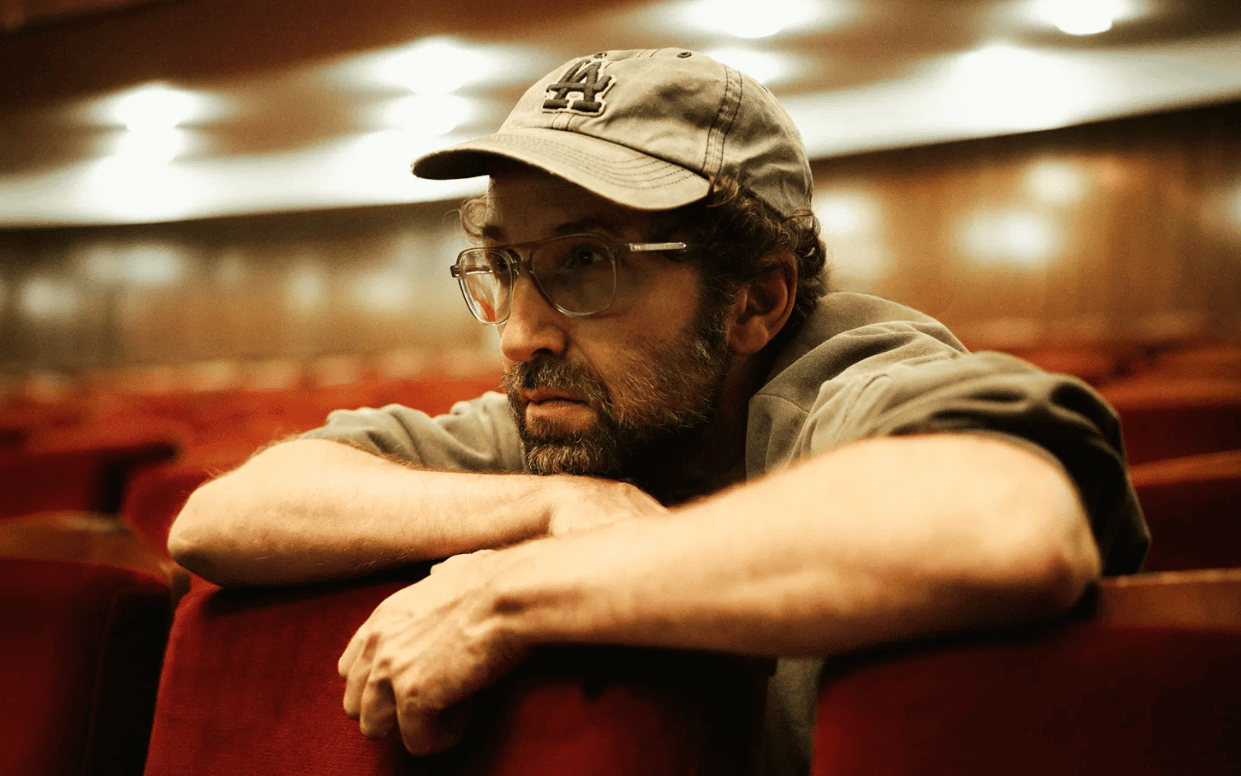
For Thomas Bangalter, AI and music are not simply a question of whether machines can generate convincing sounds. The Daft Punk co-founder is more interested in what happens to creativity when artists must translate instinct, emotion, and imagination into words before a machine can respond.
In a new interview with Chanel, Bangalter offered a pointed perspective on artificial intelligence and the creative process. He explained that he is not particularly interested in using AI as a creative tool, arguing that the most meaningful parts of artistic creation often exist beyond language.
His position is especially striking because few musicians have built such a powerful artistic identity around the relationship between humans and machines.
Thomas Bangalter On AI And The Limits Of Prompt-Based Creativity
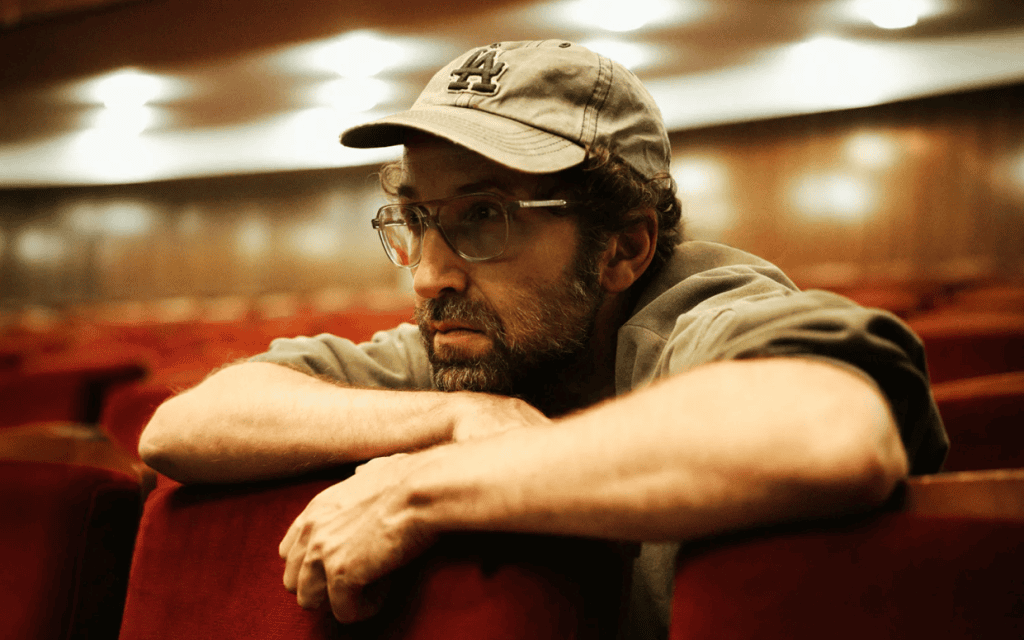
The central issue for Bangalter is not whether artificial intelligence can produce music. Instead, he questions whether the way people interact with generative AI is compatible with genuine artistic discovery.
Most AI music systems rely heavily on prompts. Users describe a sound, mood, genre, arrangement, or performance, and the system generates an interpretation of those instructions. That process can be useful, but Bangalter sees a fundamental limitation in having to explain an artistic idea before it takes shape.
He described his relationship with art as something that happens at a deeper level, where the most important creative impulses do not necessarily express themselves through words.
That distinction matters. Music often begins with something difficult to define: a physical reaction to a rhythm, an unexpected sound, a feeling triggered by a melody, or an instinct to change direction halfway through a performance.
Those moments can be difficult to describe because they happen before an artist has fully understood them.
Why Language Can Change The Creative Process
Prompt-based AI introduces an unusual step into that process. Instead of experimenting first and discovering an idea along the way, an artist may need to articulate an intended outcome before the machine produces it.
For some creators, that is an advantage. Clear instructions can accelerate experimentation and help musicians explore ideas they might not otherwise have the time or technical ability to produce.
For Bangalter, however, the uncertainty itself can be part of the art.
That perspective challenges the increasingly popular idea that better creative technology should always make the process faster. Sometimes, the slow process of experimentation is where an artist discovers something unexpected.
Daft Punk’s Legacy Makes Bangalter’s Argument Especially Interesting
Bangalter’s skepticism toward AI is also notable because of his history with technology.
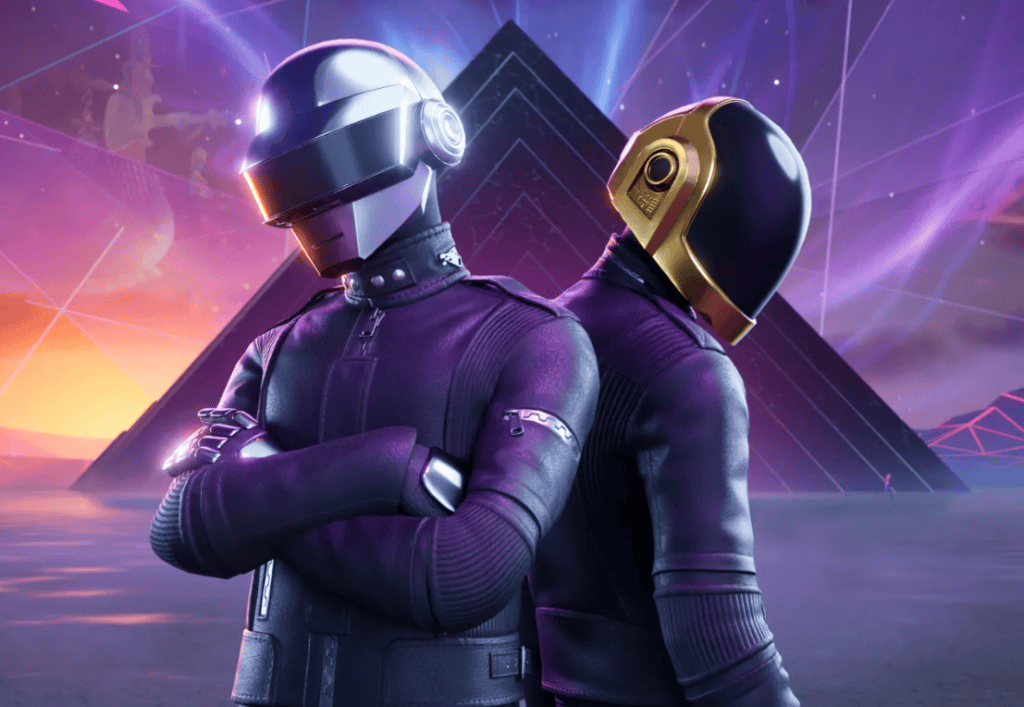
As one half of Daft Punk alongside Guy-Manuel de Homem-Christo, Bangalter spent decades exploring the meeting point between electronic machinery and human emotion. The duo’s visual identity famously embraced robotic imagery, while their music repeatedly turned synthesizers, drum machines, samples, vocoders, and studio technology into tools for expressing distinctly human experiences.
Albums such as Human After All and Random Access Memories demonstrated different sides of that philosophy.
Daft Punk never treated technology as merely a replacement for musicianship. Instead, technology became part of the performance and composition process. The machines were instruments, not necessarily authors.
That distinction helps explain why Bangalter’s comments about AI do not amount to a rejection of technology.
His career makes a blanket anti-technology argument difficult to sustain. Instead, his criticism appears directed toward a particular kind of creative relationship between human beings and machines.
AI Music Is Becoming An Industry-Wide Debate
Bangalter’s comments arrive as artificial intelligence becomes increasingly difficult to separate from the modern music business.
Streaming services, music companies, rights holders, artists, and technology firms are all confronting questions about synthetic voices, AI-generated compositions, automated production, training data, attribution, and the commercial value of human-created music.
At the same time, AI tools are becoming easier for ordinary listeners and musicians to access.
That creates an obvious tension. Generative technology can lower technical barriers and give more people the ability to experiment with sound. Yet the same systems can also make it easier to produce enormous amounts of music without the traditional process of composition, performance, recording, and production.
The debate therefore goes beyond copyright.
It also raises a more difficult question: What do we actually value when we call something creative?
If the final audio file is the only measure, AI-generated music can appear remarkably competitive. But if creativity includes experimentation, emotional interpretation, physical performance, personal history, mistakes, and unexpected discoveries, the process becomes just as important as the finished recording.
The Difference Between A Tool And A Creative Substitute
Bangalter’s viewpoint offers a useful way to consider where AI might fit into music without turning the discussion into a simple argument for or against the technology.
Musicians have always adopted new tools. Synthesizers changed electronic music. Samplers transformed production. Digital audio workstations made sophisticated recording techniques available to independent artists. None of those developments automatically removed the human element.
The more important question is how the artist uses the technology.
A synthesizer can respond to a musician’s hands. A sampler can encourage unexpected combinations. A drum machine can become an instrument around which an entire composition develops.
Generative AI can also be used experimentally, but its prompt-driven nature changes the relationship. The musician may be describing an intended result rather than physically exploring an instrument and discovering where that exploration leads.
For artists who depend heavily on instinct, that difference can be significant.
Why The Human Element Still Matters
Bangalter’s argument ultimately returns the conversation to something that technology cannot easily quantify: feeling.
Artists often make decisions without being able to explain exactly why they work. A producer may keep an imperfect take because it has character. A musician may change a chord because something feels wrong. A DJ may extend a transition because the room is responding in an unexpected way.
These decisions are difficult to reduce to instructions.
That does not mean machines cannot participate in creative work. It means that technological capability and artistic understanding are not necessarily the same thing.
AI can generate possibilities at extraordinary speed. The human artist still decides which possibilities matter.
Thomas Bangalter’s AI Critique Comes At A Pivotal Moment
As the music industry races to understand artificial intelligence, Bangalter’s comments provide a different perspective from debates focused exclusively on efficiency, licensing, or copyright.
His argument is fundamentally about the nature of creation.
For an artist whose career helped turn machines into enduring symbols of human expression, the distinction is particularly revealing. Bangalter is not arguing that musicians should abandon technology. Instead, his comments suggest that technology works best when it strengthens human curiosity rather than replacing the unpredictable process through which ideas emerge.
That may become one of the most important questions in the AI era.
Machines can generate music. They can imitate styles, manipulate sounds, and respond to increasingly sophisticated instructions. But creativity is not only about producing an answer. Sometimes, it is about starting without knowing what the answer will be.
And for Thomas Bangalter, that uncertainty may be precisely where the most valuable part of making music begins.