
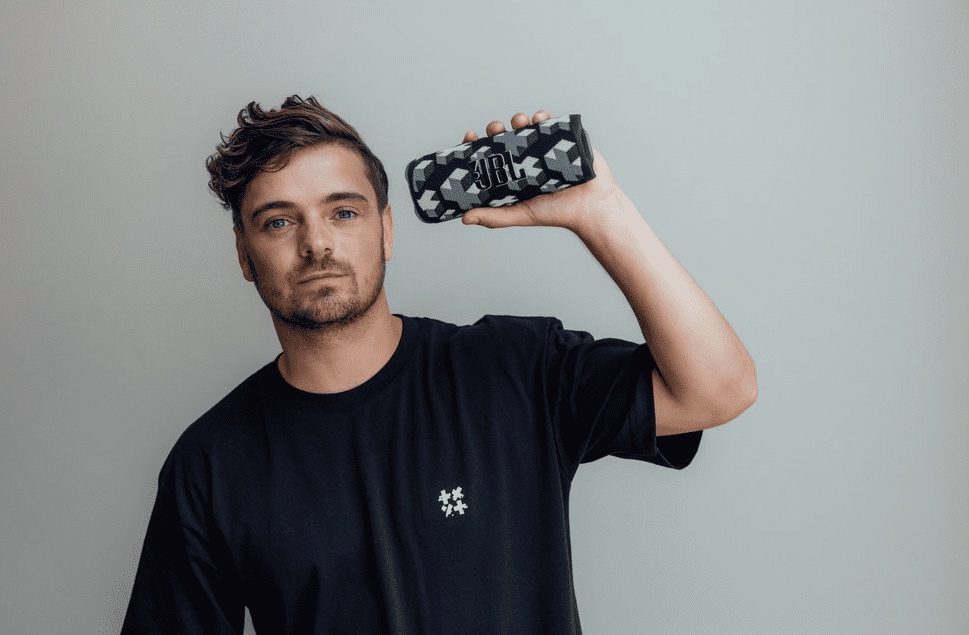
In an era where electronic music tours are often defined by scale, spectacle, and streaming numbers, Martin Garrix is choosing a different narrative—one that feels unexpectedly intimate. As he prepares to embark on his most ambitious Americas tour to date, the Dutch superstar is turning the spotlight outward, inviting a new generation of local DJs to share his stage. It’s not just a logistical decision; it’s a cultural statement about where dance music is heading—and who gets to shape it.
A Global Platform, Reimagined
Spanning 16 cities across North, Central, and South America, the 2026 tour marks a defining chapter in Garrix’s already monumental career. But beyond the headline production and sold-out venues lies a more nuanced concept: each show will feature a local DJ as the opening act, selected through a competitive application process restricted to artists living within close proximity to each tour stop.
From Chicago to Buenos Aires, Bogotá to New York, the lineup reflects a geographically diverse cross-section of underground talent. Names like Deux Saints, Cocho, Marcey, and Nihl may not yet dominate global charts, but their inclusion signals a deliberate shift—one that prioritizes community over hierarchy, and discovery over predictability.

In cities hosting multiple nights, Garrix has taken it a step further, rotating different local artists for each show. The message is clear: no two nights should feel the same, and no local scene should be reduced to a single voice.
The Emotional Blueprint Behind the Vision
What makes this initiative resonate on a deeper level is its origin story. In announcing the tour, Garrix shared a childhood drawing—crayon lines sketching out a dream of becoming a DJ. Alongside it, a nostalgic photo of a young “DJ Marty” experimenting behind a makeshift booth.
It’s a rare moment of vulnerability in an industry often obsessed with polished perfection. But more importantly, it reframes the tour not as a victory lap, but as a continuation of a journey that began long before festival mainstages and global rankings.
That sense of full-circle storytelling is powerful. It reminds audiences—and aspiring artists—that the distance between a bedroom dream and a world tour is not as abstract as it seems.
A Strategic Shift in Electronic Music Culture
Garrix’s approach arrives at a pivotal moment for electronic music. As the industry grapples with oversaturation and algorithm-driven exposure, the role of local scenes has never been more critical. By integrating regional talent directly into a global tour framework, Garrix is effectively decentralizing influence—creating a bridge between grassroots communities and international audiences.
This isn’t entirely new in spirit, but rarely has it been executed at this scale, with such intentionality. It challenges the long-standing model where opening acts are often predetermined by agencies or labels, instead placing the power—at least partially—into the hands of emerging artists themselves.
For the selected DJs, the impact is immediate and tangible: exposure to thousands of fans, industry connections, and a career-defining moment that algorithms alone could never replicate.
Beyond the Decks: The Evolution of Martin Garrix
The timing of this tour also aligns with a period of artistic evolution for Garrix. His recent release, “Catharina,” marked his first foray into using his own vocals—a subtle but significant shift that hints at a broader creative expansion. Meanwhile, his ongoing residency at Ushuaïa Ibiza continues to anchor him within the global clubbing elite.
Yet, despite these milestones, the 2026 tour suggests a different kind of ambition—one less concerned with reinforcing status and more focused on redefining legacy.
The Future Sounds Local
What Garrix is building here feels less like a tour and more like a blueprint. A reminder that electronic music, at its core, has always thrived on community, discovery, and shared energy.
In amplifying local voices across continents, he’s not just curating lineups—he’s cultivating ecosystems. And in doing so, he’s quietly challenging the industry to rethink what global success actually looks like.
Because sometimes, the most forward-thinking move isn’t about going bigger. It’s about going deeper.