
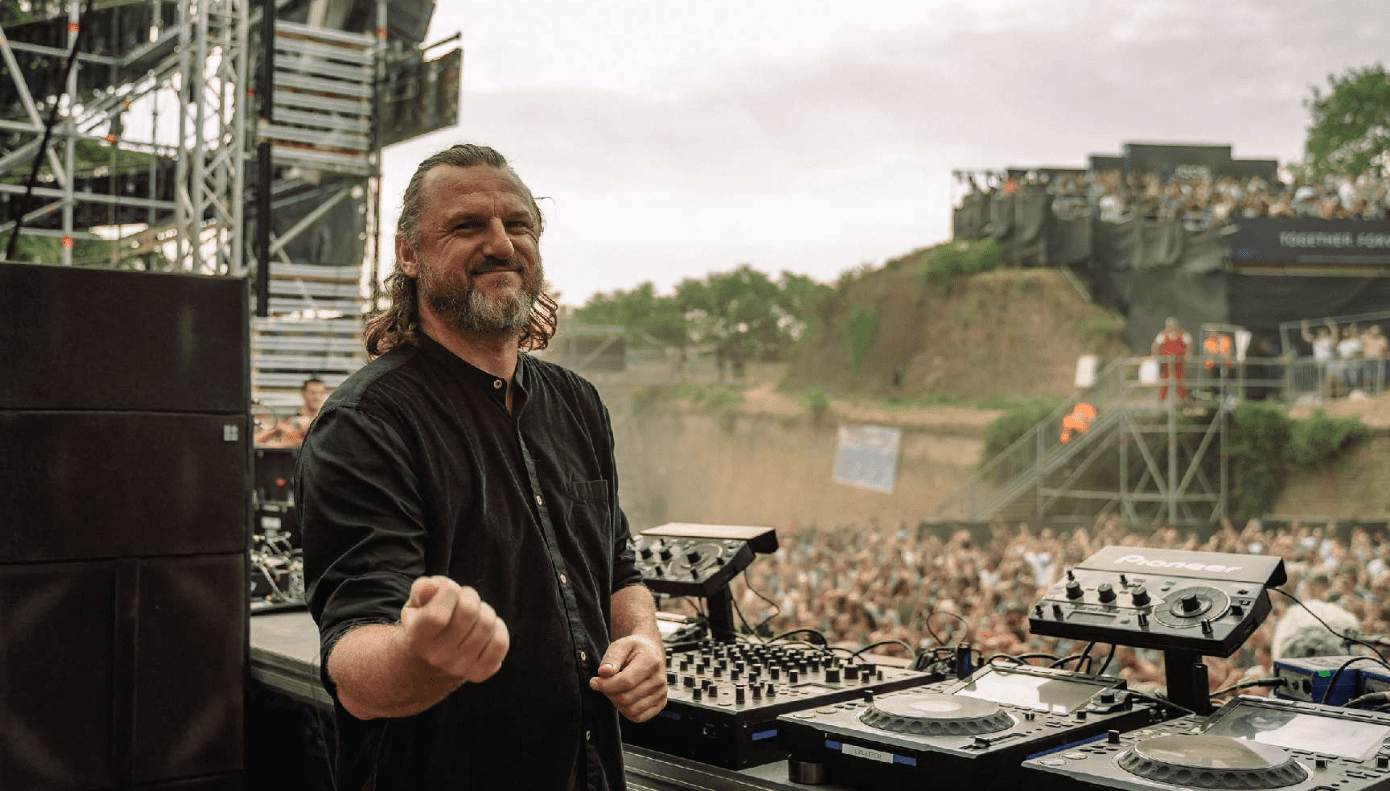
Ibiza nightlife is once again at the center of a growing debate about smartphones on the dancefloor. As preparations begin for another unforgettable summer season, Solomun has officially revived his iconic “Dance First. Film Later.” message at Pacha Ibiza, bringing renewed attention to the balance between living in the moment and documenting it.
The celebrated Bosnian-German DJ and producer confirmed the return of the initiative for the 2026 edition of his hugely popular Solomun +1 residency. While the message has become a familiar sight for regular attendees, its reappearance has reignited discussions across the electronic music community about how technology is shaping modern club experiences.
Solomun Brings Back ‘Dance First. Film Later.’ for the 2026 Ibiza Season
For nearly a decade, Solomun has encouraged clubbers to immerse themselves fully in the music rather than viewing the night through a smartphone screen.
Sharing the announcement on social media, he explained that the message is not intended as a strict rule or prohibition. Instead, it serves as a gentle reminder of the values that have long defined club culture.
According to Solomun, the concept has been part of every Sunday event at Pacha Ibiza since 2017. The small flyer placed at the entrance invites guests to prioritize connection, movement, and presence before reaching for their phones.
His approach stands out because it avoids confrontation. Rather than enforcing a phone ban, he encourages personal choice while highlighting the unique atmosphere that emerges when fewer devices dominate the room.
Why the Message Resonates With Clubbers
The philosophy behind “Dance First. Film Later.” touches on a growing concern within nightlife communities worldwide.
Over the past decade, smartphones have transformed how people experience concerts, festivals, and club events. Capturing videos and sharing moments online has become second nature. However, many artists and fans argue that constant recording can create a barrier between the audience and the experience itself.
Solomun addressed this sentiment directly by emphasizing that music feels different when listeners are completely present. Likewise, he suggested that dancefloors become more connected when screens disappear and people focus on the collective energy around them.
For many longtime clubbers, this perspective reflects the original spirit of electronic music culture. Clubs were traditionally spaces where individuals could lose themselves in the music, connect with strangers, and enjoy a sense of freedom that existed away from daily distractions.
As a result, the message continues to resonate with audiences who believe nightlife should remain centered on human interaction rather than social media content.
The Ongoing Debate About Phones in Clubs
The return of the campaign has once again highlighted one of the most divisive topics in modern nightlife.
Supporters of reduced phone usage argue that excessive filming can diminish the atmosphere of an event. Large crowds holding devices in the air can obstruct views, distract performers, and create an environment where people feel pressured to capture content instead of enjoying the moment.
Many artists have voiced similar concerns in recent years. Some venues and events have even introduced strict no-phone policies, requiring guests to lock devices away during performances.
However, not everyone agrees with these measures.
Critics argue that attendees should be free to experience events however they choose. For some people, taking photos and videos helps preserve memories, especially when attending rare performances or traveling to destinations such as Ibiza for a special occasion.
Others point out that social media sharing plays an important role in promoting artists, clubs, and events. Viral videos often introduce new audiences to electronic music and contribute to the global popularity of nightlife destinations.
This divide explains why discussions surrounding phone usage continue to generate strong opinions across the industry.
Solomun’s Approach Feels Different
One reason Solomun’s message has received widespread praise is its tone.
Unlike strict enforcement policies, his initiative focuses on encouragement rather than restriction. The flyer does not demand compliance. Instead, it invites reflection.
Many fans appreciate this balanced approach because it respects individual choice while promoting a more immersive club environment.
The response on social media demonstrated this clearly. Fellow artists and fans quickly expressed support, applauding the idea of creating a dancefloor built on trust, mutual respect, and shared experience rather than rigid rules.
By framing the campaign as a cultural reminder instead of a mandate, Solomun has managed to keep the conversation constructive while avoiding the backlash that often accompanies outright bans.
Solomun +1 Remains One of Ibiza’s Most Influential Residencies
Beyond the discussion surrounding smartphones, the announcement also signals the return of one of Ibiza’s most beloved weekly events.
Solomun +1 has become a cornerstone of the island’s nightlife calendar, attracting electronic music fans from around the world. The concept combines extended performances from Solomun with appearances from carefully selected guest artists, creating unique musical journeys each week.
Over the years, the residency has earned a reputation for delivering memorable moments, genre-defying sets, and a distinctive atmosphere that differs from many mainstream club nights.
The 2026 season is expected to continue that tradition. Early guests and collaborators have already generated excitement among fans eager to return to Pacha Ibiza for another summer of house and underground electronic music.
As anticipation builds, the return of “Dance First. Film Later.” reinforces the values that have become closely associated with the residency itself.
What This Means for the Future of Club Culture
The renewed attention surrounding Solomun’s campaign reflects a broader shift taking place throughout nightlife culture.
As technology becomes increasingly integrated into everyday life, more artists and venues are searching for ways to preserve authentic human connection on the dancefloor. While smartphones are unlikely to disappear from clubs anytime soon, initiatives like this encourage people to consider how they engage with live music experiences.
Importantly, the discussion is no longer simply about phones. It is about presence, attention, and the type of atmosphere people want to create together.
Whether clubbers choose to record a few clips or keep their devices in their pockets all night, the conversation highlights a shared desire for meaningful experiences that extend beyond social media feeds.
Conclusion
The return of Solomun’s “Dance First. Film Later.” campaign for the 2026 Ibiza season has once again placed club culture under the spotlight. Rather than imposing restrictions, the initiative encourages clubbers to embrace the music, connect with the crowd, and experience the night more fully. As the debate around smartphone use in nightlife continues, Solomun’s thoughtful approach offers a reminder that some of the best memories are often the ones lived first and filmed later.