
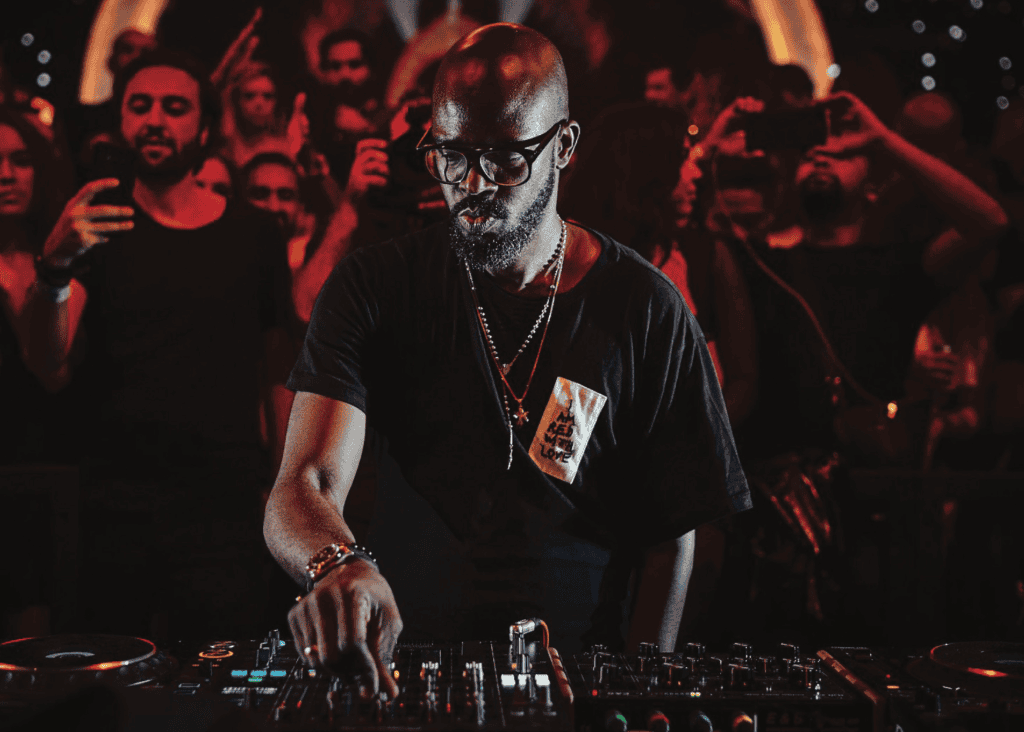
South African electronic music heavyweight Black Coffee has emerged victorious from a long-running legal dispute with Maserati South Africa, with the Johannesburg High Court ordering the luxury car manufacturer to repay R7 million — approximately $438,000 — to the Grammy-winning DJ’s company.
The ruling brings an end to a dispute that began with the purchase of a high-performance Maserati and ultimately developed into a significant commercial case involving one of Africa’s most internationally recognised music artists.
At the centre of the case was a Maserati MC20 Cielo, a convertible version of the Italian marque’s flagship supercar. Black Coffee, whose real name is Nkosinathi Innocent Maphumulo, had sought the return of funds after the vehicle’s delivery became subject to prolonged delays and uncertainty.
A luxury purchase turns into a legal dispute
The dispute dates back to 2022, when Black Coffee purchased a Maserati MC20 Coupe from a local dealer for approximately R7 million.
Two years later, the internationally acclaimed DJ decided to upgrade to the newer MC20 Cielo, a convertible model with an estimated value of around R9 million. As part of the proposed transaction, the dealer agreed to take Black Coffee’s existing MC20 as a trade-in for R7 million, leaving approximately R2 million to be paid toward the new vehicle.
The arrangement appeared straightforward. However, the delivery of the new car did not proceed according to the expected schedule.
The MC20 Cielo was initially expected to arrive by mid-2025, but production and delivery delays meant that no definitive handover date was established. With the transaction remaining unresolved, Black Coffee ultimately turned to the courts to recover the R7 million that had become tied up in the deal.
The Johannesburg High Court has now ruled in his favour, ordering Maserati South Africa to pay the R7 million, together with interest and legal costs.
A $438,000 ruling with wider implications
While the dispute centred on a luxury vehicle, the outcome carries significance beyond the price of a Maserati.
Black Coffee has spent more than two decades building an international career that has placed South African house and electronic music on some of the world’s biggest stages. His Grammy win, global touring schedule and major brand partnerships have established him not only as a leading DJ, but also as one of Africa’s most recognisable entertainment figures.
The case therefore offers an unusual glimpse into the increasingly complex commercial world surrounding major electronic artists.
At the highest level of the music industry, artists operate far beyond traditional recordings and live performances. Luxury partnerships, fashion collaborations, technology, hospitality, automobiles and other premium consumer categories have become increasingly intertwined with an artist’s public identity.
For an artist of Black Coffee’s stature, commercial agreements can involve substantial sums and significant reputational considerations. The court ruling demonstrates the importance of contractual certainty even when transactions involve globally recognised brands.
Black Coffee’s global influence
The legal victory comes during another significant period in Black Coffee’s international career.
Over the past decade, the South African artist has transformed himself from a respected figure within the country’s house music scene into a global electronic music ambassador. His distinctive blend of Afro house, deep house and melodic influences has helped introduce a distinctly South African musical identity to audiences around the world.
His international breakthrough was followed by performances at some of the world’s most prestigious clubs and festivals, as well as collaborations with artists across electronic music, R&B and pop.
In 2022, Black Coffee won the Grammy Award for Best Dance/Electronic Music Album for Subconsciously, becoming the first South African artist to win in the category. The achievement represented another milestone in a career that has consistently pushed African electronic music further into the global mainstream.
His influence has also extended into the club world, particularly through his long-running presence in Ibiza. The island has become an important part of his international identity, with his performances helping establish Afro house as a major force within the European electronic music landscape.
Beyond the courtroom
The Maserati case is unlikely to define Black Coffee’s career, but it does illustrate the scale of the world he now operates in.
Artists at the top of the global electronic music industry increasingly function as entrepreneurs, creative directors and brand figures as much as performers. Their commercial relationships can be as high-profile as their music careers, while disagreements over contracts, products and partnerships can quickly attract public attention.
In this case, the dispute ultimately returned to a relatively straightforward question: whether the money paid toward a vehicle that was never delivered as expected should be returned.
The Johannesburg High Court’s decision has now provided a clear answer.
Maserati South Africa has been ordered to repay the R7 million, in addition to interest and legal costs, bringing the prolonged dispute to a legal conclusion.
A notable moment for Black Coffee
For Black Coffee, the ruling represents a significant personal and commercial victory, but it arrives against the backdrop of a career that continues to expand internationally.
From South Africa’s electronic music scene to Grammy-winning global success, his trajectory has been defined by a consistent ability to move between cultures, markets and creative disciplines without losing the musical identity that made him distinctive in the first place.
The Maserati dispute may have begun with a luxury car, but its conclusion speaks to a much larger reality of modern artist careers: global electronic music stars are now major commercial entities in their own right.
As Black Coffee continues to perform around the world and expand his influence beyond the DJ booth, the court’s decision closes one chapter of an unexpectedly high-profile dispute.
For now, the final figure attached to that chapter is R7 million — approximately $438,000 — plus interest and legal costs, awarded in the DJ’s favour by the Johannesburg High Court.