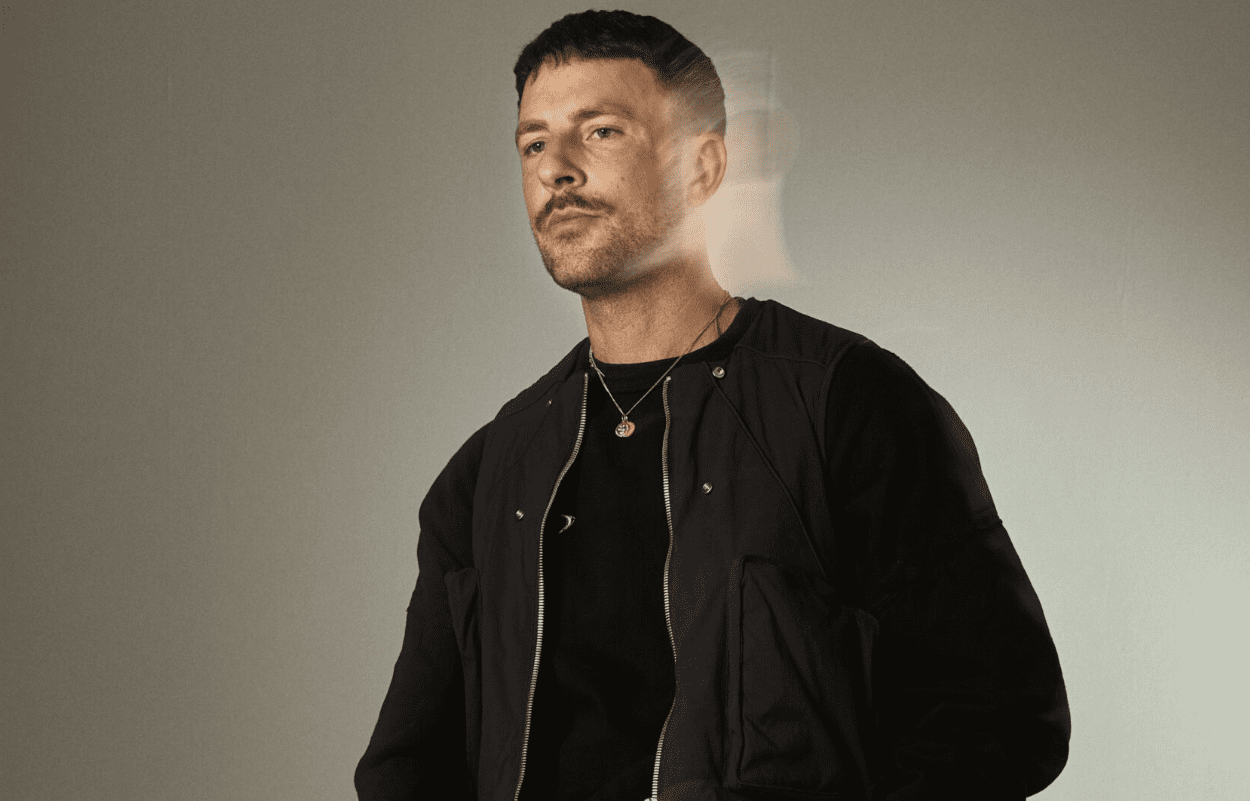
The electronic music world is once again facing intense scrutiny as French techno artist Shlømo publicly responds to serious allegations circulating online. What began as social media discussions has quickly evolved into one of the most talked about controversies within the global techno community in recent weeks.
As conversations continue to unfold across platforms, the situation highlights a broader shift in how accountability, reputation, and public perception intersect in today’s digital music culture.
A Formal Statement From Shlømo Addresses Allegations
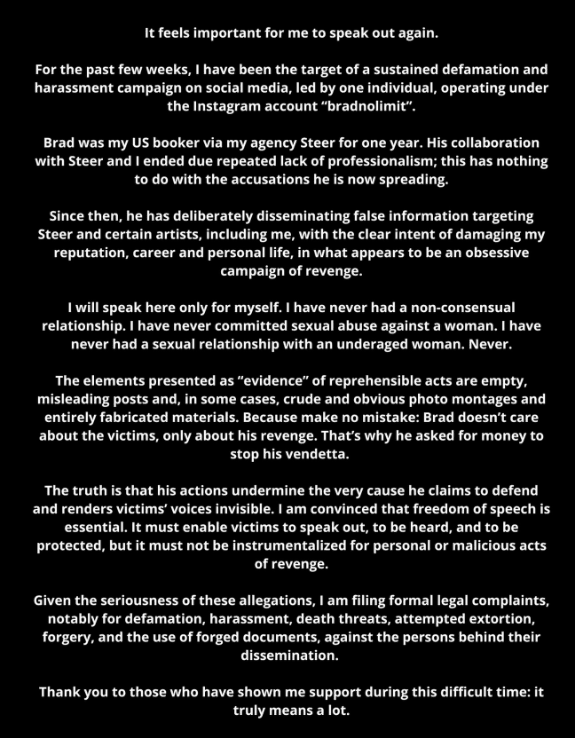
In a written statement shared online, Shlømo firmly denied all accusations related to non consensual behavior. The artist stated clearly that he has never committed sexual abuse and denied claims involving any relationship with an underaged woman.
According to the statement, the allegations represent false information deliberately spread online. He described the situation as a coordinated campaign of harassment and defamation aimed at damaging his personal and professional reputation.
Furthermore, the techno producer emphasized that protecting his integrity remains a priority. As a result, he announced plans to pursue legal action against individuals he believes are responsible for distributing the claims.
Legal Action Signals Escalation
The controversy moved beyond social media debate when Shlømo confirmed intentions to initiate formal legal proceedings. His statement referenced accusations of defamation, harassment, attempted extortion, and the alleged circulation of forged materials.
Legal responses in cases involving public figures often mark a turning point. Instead of remaining confined to online discourse, disputes enter institutional processes where evidence and accountability are examined formally.
Consequently, the case now stands at the intersection of public opinion and legal evaluation. While supporters await further clarification, critics continue to question aspects of the situation.
Electronic Music Community Reacts Strongly
Almost immediately after the statement was published, reactions emerged from prominent figures within the electronic music scene. Notably, internationally recognized techno artist Amelie Lens publicly challenged elements of Shlømo’s response through social media commentary.
Similarly, techno veteran Nicole Moudaber voiced strong criticism, describing previous remarks connected to the controversy as deeply concerning. Their responses quickly gained traction online, attracting thousands of reactions and sparking heated debate among fans and industry professionals alike.
As a result, discussions expanded beyond the initial allegations. Conversations now include broader questions about responsibility, professional conduct, and transparency within nightlife culture.
Resurfaced Interview Clip Fuels Online Debate
Adding further complexity, an older interview clip involving Shlømo resurfaced across social platforms. In the footage, the artist appeared to laugh while recounting an incident involving an intoxicated woman backstage.
Although interpretations of the clip vary widely, its rapid circulation intensified scrutiny. Online communities began revisiting past content, demonstrating how historical media can reenter public discourse during moments of controversy.
In today’s algorithm driven environment, archived interviews and past statements often regain visibility overnight. Therefore, artists increasingly face evaluation not only for current actions but also for previous public behavior.
The Role of Social Media in Modern Music Controversies
The ongoing Shlømo controversy reflects a wider transformation within the music industry. Social media platforms now function as immediate arenas for public judgment, investigation, and reaction.
Unlike previous decades, artists no longer rely solely on press releases or traditional media coverage. Instead, narratives evolve in real time through comments, reposts, and viral discussions.
This dynamic creates both transparency and volatility. On one hand, communities demand accountability faster than ever. On the other hand, information can spread before verification occurs, complicating public understanding.
Consequently, situations like this highlight the delicate balance between due process and digital opinion.
Reputation Management in the Techno Industry
For electronic music artists, reputation extends far beyond performances and releases. Festival bookings, brand collaborations, and international touring opportunities often depend heavily on public perception.
When allegations surface, industry stakeholders must react quickly. Promoters, agencies, and event organizers frequently monitor audience sentiment before making decisions that could impact lineups or partnerships.
Moreover, controversies can influence the broader techno ecosystem. Artists, labels, and fans become participants in conversations that shape cultural standards across the scene.
The Shlømo case illustrates how rapidly professional standing can shift when controversy intersects with global online visibility.
Ongoing Developments Keep Industry Watching Closely
At present, the situation remains unresolved. Legal processes have yet to unfold publicly, while online discussions continue across fan communities and professional networks.
Both supporters and critics await further developments that may clarify the claims and responses involved. Until then, speculation and debate remain active components of the narrative.
Importantly, the unfolding events demonstrate how modern music culture operates within a constant feedback loop between artists, audiences, and digital platforms.
Conclusion: A Defining Moment for Accountability in Electronic Music
The controversy surrounding Shlømo represents more than an individual dispute. It reflects a defining moment for how the electronic music industry navigates allegations, public response, and legal accountability in the digital age.
As discussions continue, the outcome may influence future standards of communication and responsibility across the techno community. Whether resolved through legal channels or public dialogue, the situation underscores one reality. In today’s connected world, transparency, credibility, and trust remain central to an artist’s legacy.
For now, the global dance music scene watches closely as events continue to unfold.